Park and Municipal Shade Structures: A Commercial Buyer’s Guide
Park and municipal shade structures have moved from a nice-to-have amenity to a line item that parks departments, public works directors, and facilities managers plan for every budget cycle. Rising summer temperatures, growing liability awareness, and a public that expects covered gathering spaces have pushed municipal shade structures onto capital improvement plans in cities of every size. Whether the project is a single picnic pavilion or a multi-structure plan across a district’s park system, the decisions made early, on materials, funding, and vendor selection, determine whether the structure lasts five years or twenty-five.
This guide walks through what park and municipal shade structures actually are, why they matter for public agencies specifically, how capital budgets and grants typically fund them, what materials hold up under public use, the safety and accessibility rules that apply, and the buying mistakes that cost municipalities money down the line.
What Are Park and Municipal Shade Structures?
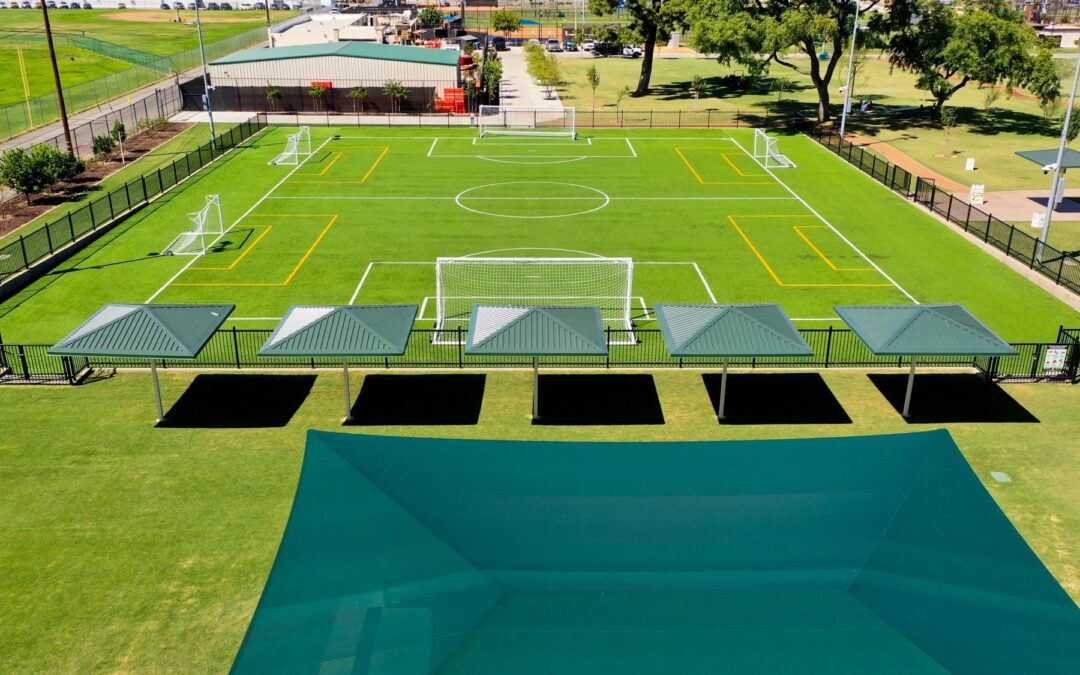
Municipal shade structures are engineered coverings installed in public spaces, parks, plazas, aquatic facilities, transit stops, dog parks, and community centers, to reduce sun and heat exposure for the public. Unlike a small canopy over a single table, park shade structures are typically sized for group use: picnic pavilions, shaded playground zones, bleacher and spectator coverage, walkway canopies connecting buildings, and large-format shade sails over plazas or splash pads.
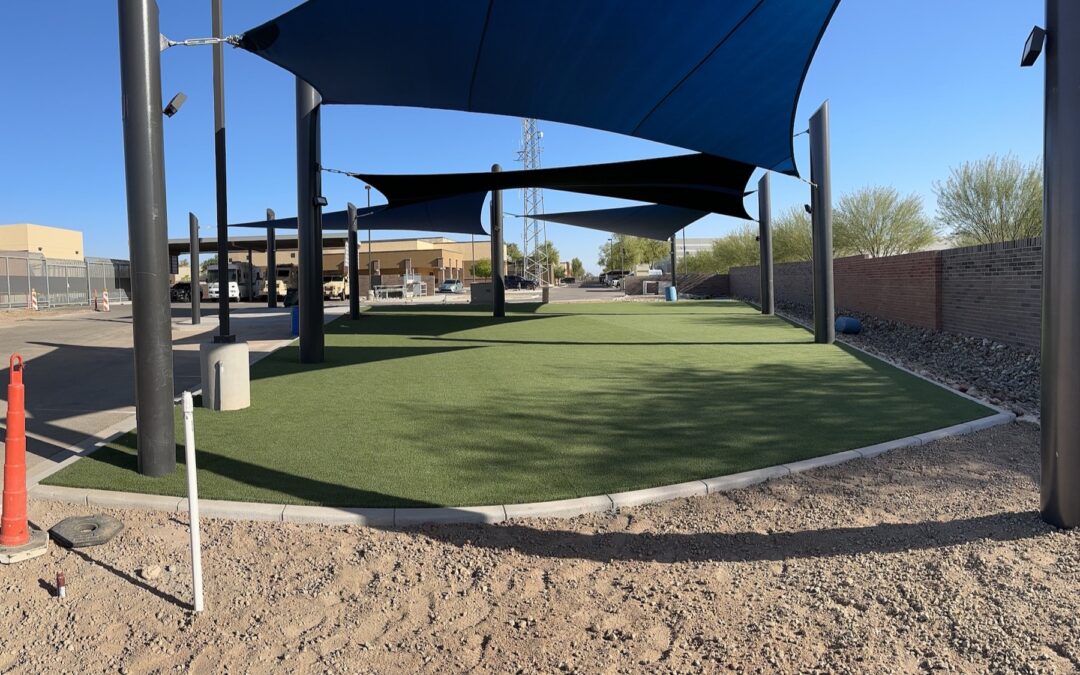
The category spans several structural types. Steel-framed hip and gable canopies suit picnic areas and open-air gathering spots. Cantilever structures work well where columns can’t interrupt sightlines or accessible routes, such as ADA-compliant seating zones or splash pad perimeters. Tensioned fabric shade sails cover irregular shapes efficiently, which makes them popular for plazas, skate parks, and dog parks where the footprint isn’t a simple rectangle. Waterproof membrane structures add rain protection to the mix, extending usable hours at pavilions and amphitheaters. A municipality choosing among these options for shade structures for parks and municipalities usually ends up mixing types across a park system rather than standardizing on one.
Why Municipalities Are Prioritizing Shade Right Now
Three forces are driving the current wave of municipal shade structures projects. First, heat. Many regions are logging more consecutive days above 95 degrees than they did a decade ago, and parks departments are fielding more heat-related incident reports from playgrounds, splash pads, and sports fields without cover. Second, liability. Cities that operate unshaded public facilities, especially playgrounds and pools, face growing scrutiny over sun exposure risk, and shade structures are one of the more cost-effective risk mitigation tools available to a public works department. Third, equity. Shade access has become part of the broader conversation about park equity, since lower-income neighborhoods historically have less tree canopy and fewer built shade structures than wealthier areas, and grant programs increasingly reflect that priority.
For a parks director building next year’s capital plan, park and municipal shade structures now compete directly with playground replacement, irrigation upgrades, and resurfacing projects for the same limited dollars. The agencies that win funding tend to be the ones that can show a documented need (heat data, incident reports, community requests) alongside a realistic cost estimate.
The energy case for shade structures also strengthens the funding argument in some jurisdictions. Research summarized by the U.S. Department of Energy on landscaping and shade shows that well-placed shade can meaningfully lower surface and ambient temperatures around a structure, which is part of why some sustainability and urban heat grant programs treat park shade structures as an eligible heat-mitigation investment rather than a purely recreational amenity. A parks department that frames a shade structure request around measurable heat reduction, rather than aesthetics alone, often has an easier time competing for capital dollars against other departmental priorities.
Capital Budgets, Grants, and Funding Park Shade Projects
Municipal shade structures rarely get funded out of a single operating line item. Most public agencies stitch together two or three funding sources: general fund capital improvement dollars, park impact fees collected from new development, and state or federal grant programs targeted at heat mitigation, park equity, or recreation infrastructure. Some states run dedicated urban forestry or extreme heat grant programs that include shade structures as an eligible expense alongside tree planting, and federal community development block grant (CDBG) funds have also been used for park shade projects in qualifying low- and moderate-income areas.
Because grant cycles and capital budget cycles rarely line up neatly, the agencies that move fastest are the ones that get a written scope and a site-specific quote in hand before the funding window opens. A vague budgetary estimate is usually not enough to satisfy a grant application; reviewers want to see square footage, structure type, and an itemized cost range tied to an actual manufacturer’s proposal. Requesting that quote early, months before the grant deadline, is one of the most common pieces of advice procurement staff give to first-time applicants.
HOAs and private facility operators sometimes fund similar projects out of reserve accounts rather than grants, but the underlying lesson is the same: park shade structures are capital assets with a defined useful life, and treating them that way in the budgeting process, rather than as a one-time purchase, makes future replacement and maintenance easier to plan for.
Multi-site park systems often phase municipal shade structures projects across two or three budget years rather than funding an entire district at once, prioritizing the highest-heat-exposure sites, such as playgrounds and splash pads with no tree canopy, in the first phase. Phasing this way also lets a parks department apply lessons from the first installation, material performance, contractor coordination, community reaction, to later phases, and it spreads the capital outlay in a way that’s easier for a finance director to approve than a single large line item covering an entire park system in one cycle.
Built to Last: Materials, Vandal Resistance, and Replaceable Fabric
Public-use shade structures take more abuse than a similar structure on private property. Municipal shade structures need to withstand foot traffic, weather extremes, occasional vandalism, and years of unsupervised public use without a maintenance crew checking on them daily. That reality shapes material choices.
Steel framing with commercial-grade powder coating is the standard for park and municipal shade structures because powder coat resists chipping, fading, and graffiti better than paint, and a damaged section can often be re-coated rather than replaced. Fasteners and hardware matter more in public settings too; tamper-resistant hardware reduces the odds of a structure being disassembled or damaged by vandals. For the shade canopy itself, most municipal buyers choose knitted HDPE mesh fabric rated for high UV exposure, because it’s engineered to be replaced on its own cycle, typically every ten to fifteen years depending on climate and UV load, without touching the steel frame underneath. That replaceable-fabric approach is one of the biggest differences between municipal-grade shade structures and lighter-duty products: the frame is the long-term capital asset, and the fabric is a planned, lower-cost maintenance item.
Color and fabric selection also play a practical role in public parks. Lighter fabric colors reduce surface heat buildup under the shade structure, which matters for playground equipment and metal benches that get uncomfortably hot in direct sun. Some municipalities specify custom colors to match a park system’s branding or wayfinding standards across multiple sites.
Safety, Accessibility, and Wind Engineering Compliance
Public agencies carry a higher compliance bar than private property owners, and municipal shade structures need to be engineered and sited with that in mind. Structural design should account for the wind and snow loads specific to the site’s location, with engineering calculations available for the permitting process; this isn’t optional for a public project the way it might be overlooked on a small private job.
Accessibility is a second major compliance thread. Shaded seating, picnic areas, and playground perimeters need to sit along accessible routes with adequate clearances, per the Americans with Disabilities Act’s design standards, and column placement for cantilever or post-and-beam structures should avoid narrowing accessible paths of travel. Public agencies planning a shade project alongside playground upgrades should also be aware of the U.S. Consumer Product Safety Commission’s public playground safety guidance, which addresses use-zone clearances and equipment spacing that shade structure footings need to respect. For agencies weighing coverage against these clearance requirements, our guide to ADA compliant shade structures covers accessible route and clearance planning in more depth, and the ADA.gov site remains the authoritative source for current accessibility standards.
Permitting timelines for shade structures for parks and municipalities also tend to run longer than private commercial projects, since public works and planning departments often require public bid processes, prevailing wage compliance, and multiple rounds of plan review. Building that timeline into the project schedule, rather than assuming a private-sector installation pace, avoids missed grant deadlines and budget-cycle slippage.
Custom Canopies’ In-House Six-Step Process
Custom Canopies Inc. is a family-owned, made-in-America manufacturer that handles park and municipal shade structures through a six-step in-house process: consultation, drafting, manufacturing, coating, shipping, and installation. Because engineering, fabrication, and powder coating all happen in-house rather than through subcontractors, municipal buyers work with one accountable manufacturer from the first site consultation through final installation, which simplifies the documentation that grant funders and public works departments often request.
Every structure is custom-sized to the nearest inch rather than pulled from a limited set of stock dimensions, which matters for park sites with irregular footprints, existing playground equipment, or splash pad layouts that a generic canopy size won’t fit cleanly. Custom Canopies holds Contractors License #880322 and Fabricators License #FB00073, and the company installs and ships shade structures for parks and municipalities anywhere in the United States, not just within a single region.
Common Mistakes Municipalities Make When Buying Shade Structures
The most common mistake is sizing a structure to today’s budget rather than the site’s actual coverage need, which often means a municipality installs a smaller shade structure and then has to fund a second phase a few years later, at a higher total cost than if the full footprint had been engineered and permitted at once, even if fabric installation were phased.
A second common mistake is underestimating wind load requirements for a specific site, particularly at coastal parks, open plazas, or elevated locations, which can lead to change orders during permitting or, worse, a structure that underperforms in severe weather. A third mistake is choosing a lower-cost fabric or coating system that isn’t rated for the climate, which shortens the replacement cycle and increases long-term maintenance costs even though the upfront price looked attractive.
Municipalities also sometimes skip the step of confirming a manufacturer’s licensing and in-house engineering capability, assuming a reseller and a manufacturer are functionally the same. They aren’t; a true manufacturer can typically move faster on custom sizing and warranty-related questions because engineering, fabrication, and coating all happen under one roof rather than being coordinated across several vendors. Finally, agencies sometimes treat the shade structure as a standalone purchase instead of coordinating it with playground layout, ADA route planning, and irrigation or drainage work happening on the same site, which can force costly rework if the shade structure footings conflict with other planned improvements.
Matching the Structure to the Facility Type
Different park facilities call for different shade structure types, and matching the structure to the use case is where a lot of the value of working with an experienced manufacturer shows up.
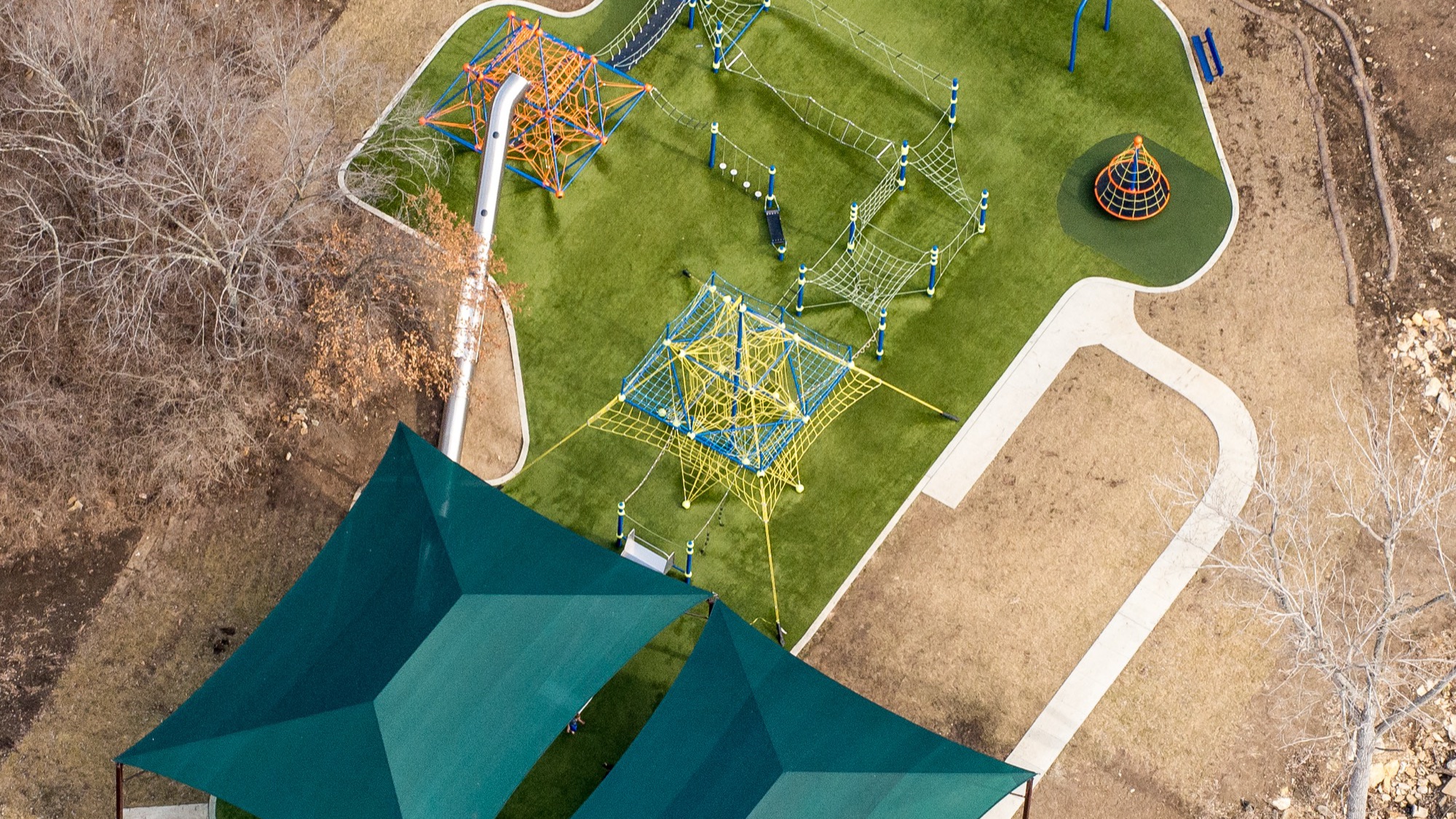
Picnic pavilions and group gathering areas typically use steel hip or gable canopies sized for multiple tables, often with waterproof membrane options where rain protection extends usable hours. Playground shade works best with cantilever or sail structures that keep support columns out of the play equipment’s use zone; our playground shade structures guide goes deeper into that use case specifically. Splash pads and aquatic areas need corrosion-resistant hardware and coatings given the chlorine and moisture exposure. Dog parks and skate parks, with their irregular boundaries, are frequently better served by tensioned shade sails than rectangular canopies. Transit stops and walkway connections between municipal buildings favor narrow cantilever or T-bar structures that shade a path without requiring a wide footprint. Community centers and multi-use plazas often combine several structure types across a single site, which is where custom engineering earns its cost over off-the-shelf options.
Community and neighborhood-scale shade projects share many of the same funding and access considerations as larger park systems; our community shade structures resource covers that overlap for agencies planning smaller neighborhood sites alongside larger flagship parks.
Sports facilities round out the list of common municipal applications. Shaded bleachers and spectator areas at ball fields, shaded dugouts, and covered walkways connecting parking areas to stadiums or aquatic centers all fall under the same category of park and municipal shade structures, even though the engineering and footprint differ significantly from a picnic pavilion. A parks department managing several facility types across a system benefits from working with one manufacturer that can size and engineer each structure to its specific site rather than treating every location as a standard, one-size-fits-all product.
What Drives the Cost of Park and Municipal Shade Structures
Cost for municipal shade structures varies widely by size, structure type, engineering complexity, and site conditions, so any number quoted without a site visit should be treated as a rough planning figure rather than a bid. As industry-typical market context, small single-unit shade structures, such as a cantilever over a single picnic table, commonly run in the low five figures installed, while larger pavilion structures covering multiple picnic tables or a playground zone often land in the mid five figures to low six figures depending on footprint and engineering requirements. Large-format shade sail systems or multi-structure park-wide projects can run higher still, particularly when wind engineering, custom coating, or waterproof membrane options are specified.
Several factors move the number most: total square footage of coverage, the wind and snow load engineering required for the specific site, whether the fabric needs to be waterproof rather than standard shade mesh, custom powder coat colors, site accessibility for installation equipment, and whether public bid or prevailing wage requirements apply to the project. Because these variables differ so much site to site, the most reliable next step for a parks department or facilities manager evaluating park and municipal shade structures is requesting a site-specific quote rather than budgeting off a generic per-square-foot number pulled from a different project.
Frequently Asked Questions
What is the typical lifespan of a municipal shade structure?
The steel frame on a well-engineered, properly coated municipal shade structure commonly lasts 20 years or more with routine maintenance. The fabric canopy has a shorter cycle, typically 10 to 15 years depending on climate and UV exposure, and is designed to be replaced on its own without rebuilding the frame.
Do park and municipal shade structures need to be ADA compliant?
Yes. Any shade structure covering a seating area, accessible route, or playground perimeter on public property needs to account for ADA clearance and accessible route requirements. Column placement and footing locations should be planned around those clearances from the start of design.
Can existing playgrounds or splash pads be retrofitted with shade structures?
In most cases, yes. Cantilever structures are commonly used for retrofits because their columns can be placed outside an existing play equipment use zone without requiring the equipment to be relocated. A site visit is the best way to confirm footing placement around existing infrastructure.
How long does it take to get a municipal shade structure installed?
Timelines vary by project complexity and by how long a public agency’s bid and permitting process takes. Manufacturing and coating typically run several weeks once engineering is finalized, but public procurement and plan review can add months on top of that, which is why agencies are encouraged to start the process well ahead of a planned installation date or grant deadline.
What funding sources cover shade structures for parks and municipalities?
Common sources include general fund capital improvement budgets, park impact fees, state or regional heat mitigation and urban forestry grants, and in some cases federal community development block grant funds. A written, site-specific quote is typically required to complete a grant application.
Is powder coating necessary for public park shade structures?
Powder coating holds up significantly better than standard paint against UV exposure, chipping, and the general wear public structures see over years of unsupervised use, which is why it’s the standard finish for municipal-grade steel shade structures rather than an optional upgrade.
How do municipalities reduce vandalism risk on shade structures?
Tamper-resistant hardware, powder-coated steel that resists graffiti damage and can be re-coated rather than replaced, and fabric systems that are straightforward to swap out are the main design choices that reduce long-term vandalism and wear costs on public shade structures.
Get a Site-Specific Quote for Your Park or Municipal Project
Park and municipal shade structures work best when they’re engineered for the specific site, budget cycle, and use case rather than sized off a generic estimate. Custom Canopies Inc. handles consultation, drafting, manufacturing, powder coating, shipping, and installation in-house, and ships and installs anywhere in the United States. For a parks department, public works team, or facilities manager ready to move a shade structure project from the capital plan into a real quote, our team can walk through square footage, structure type, and site conditions to put together a proposal that a grant application or budget request can actually use.
Call (562) 464-4646 or visit our contact page to start a conversation about park and municipal shade structures for your next capital project. You can also browse our commercial design options or check our FAQ page for more on materials, timelines, and the installation process.
Free Project Quote
What type of project is this?
Tell us where the shade structure is going and a specialist will design around your site.
Free Project Quote
Tell us about your project
A sentence or two is plenty. Size, location, and timeline help us quote faster.
Free Project Quote
Where should we send your quote?
A shade specialist will review your project and reach out within 1 business day.
Thanks! We’ll be in touch shortly.
A shade specialist will review your project and reach out within 1 business day. Prefer to talk now? Call (562) 464-4646.